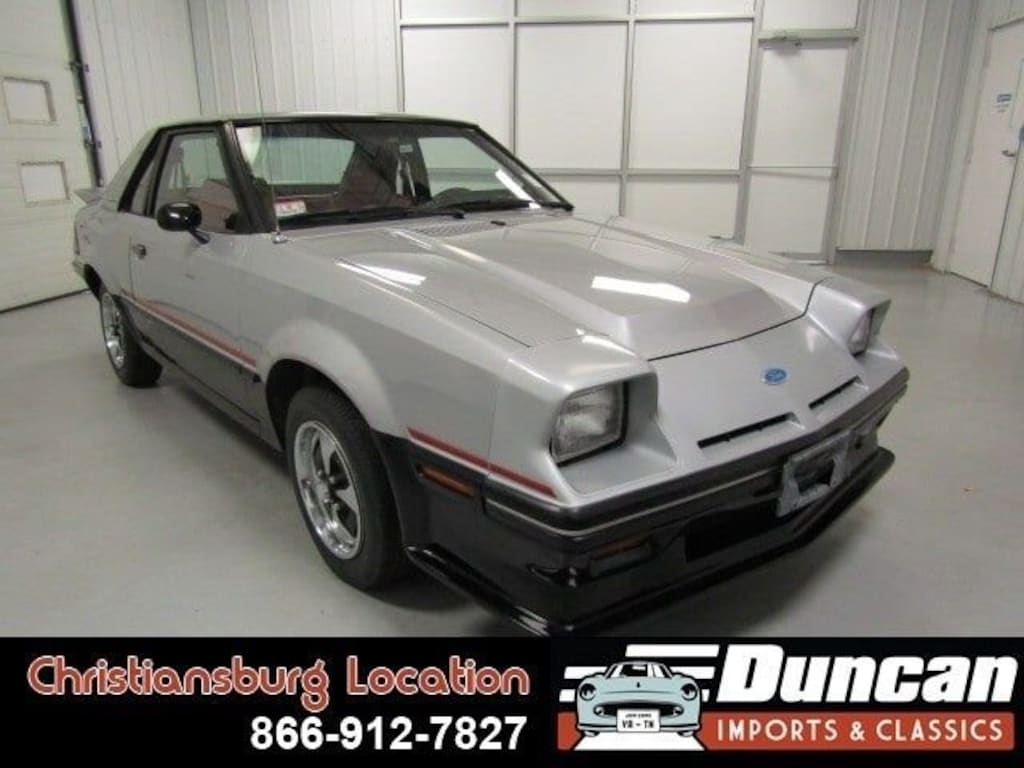
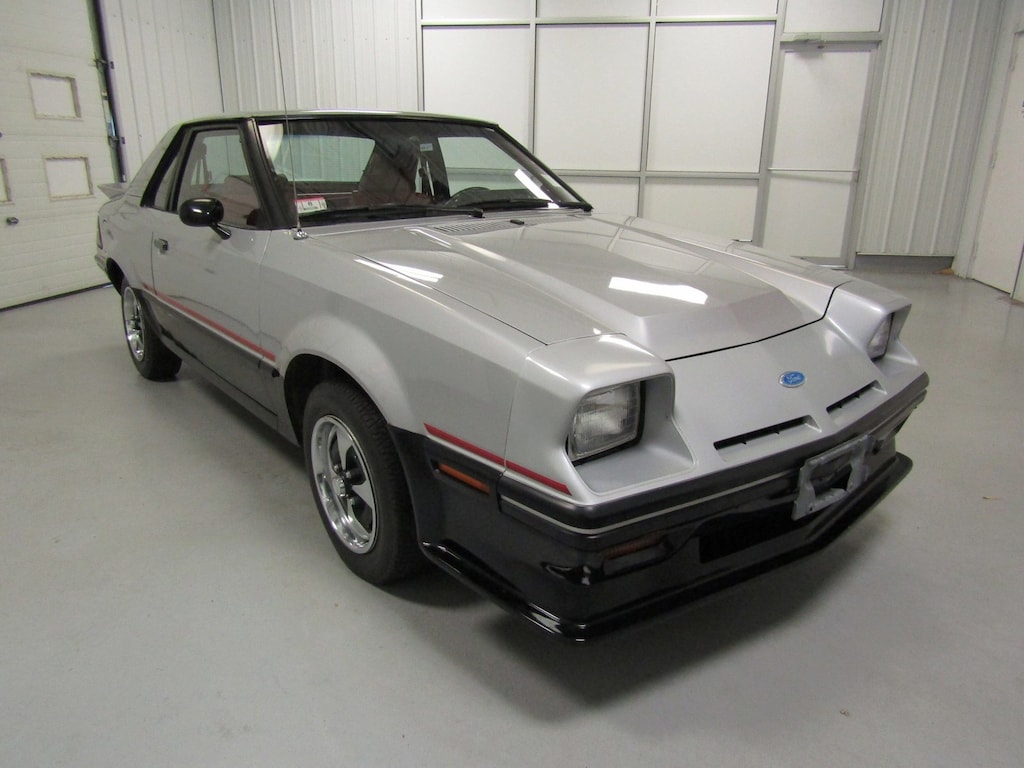
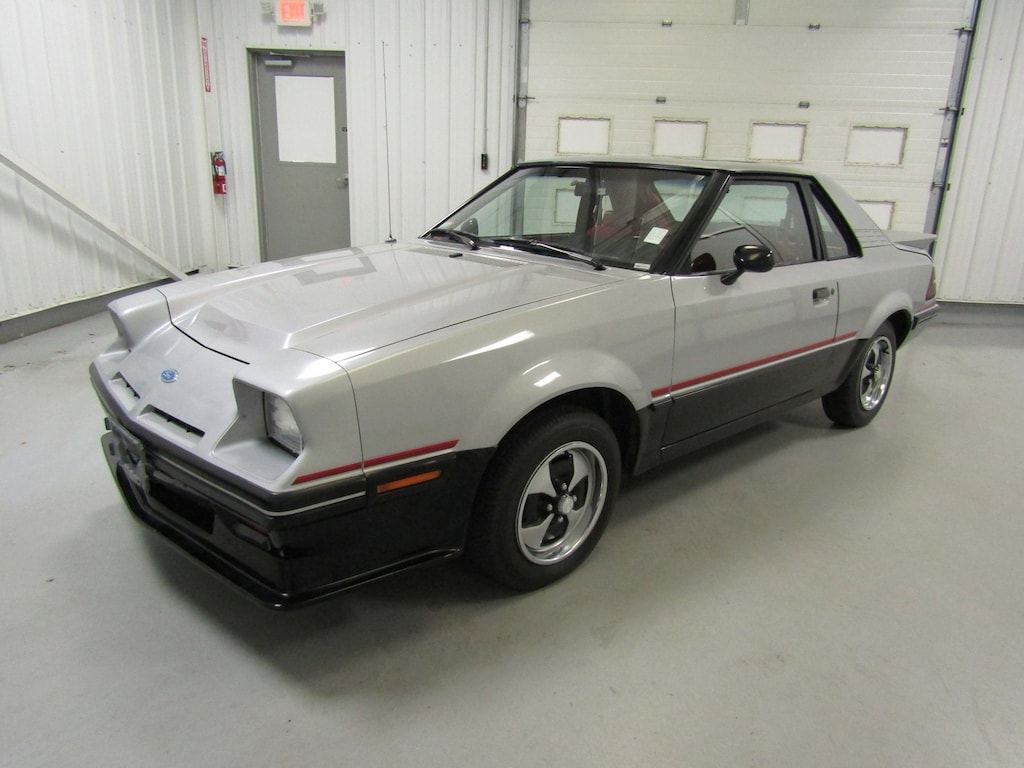


The 1982 Ford EXP was a unique front-wheel-drive, two-seat sport compact hatchback coupe introduced by the Ford Motor Company in the spring of 1981. Marketed as a fuel-efficient commuter with a sporty flair, it holds historical significance as Ford's first North American two-seater vehicle since the original 1957 Thunderbird.
During the early 1980s, market research led Ford to believe that a booming market of younger buyers and "Yuppies" would embrace an economical car with pseudo-sportiness. To create the EXP, engineers utilized the platform, front-wheel-drive powertrain, and fully independent suspension of the recently introduced Ford Escort.
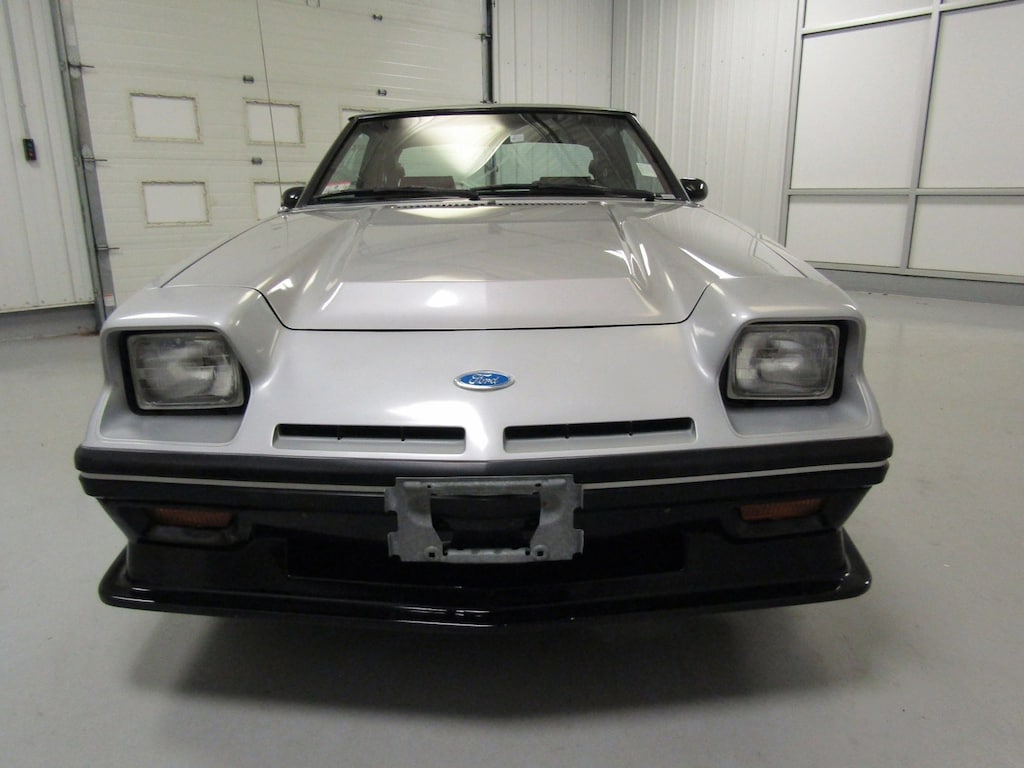
Instead of building a sports car from the ground up, Ford stretched the front and rear overhangs of the Escort frame, lowered the roofline by two inches, steeply raked the windshield, and deleted the rear seats to maximize cargo space. The result was a highly distinct, wedge-shaped silhouette. However, its stark "frog-eyed" front fascia---featuring deeply recessed headlamps---proved to be incredibly polarizing to the public. A luxury version was also briefly badge-engineered and sold by Lincoln-Mercury dealers as the Mercury LN7.
Despite its sleek, aerodynamic appearance, the initial 1982 EXP lacked true sports car performance. Because of its extra sheet metal and generous list of standard equipment, the EXP actually weighed roughly 100 to 200 pounds more than the standard five-passenger Escort, putting an immense strain on its small engine.
The 1982 Ford EXP carried an introductory factory retail price of $7,387, which was nearly $2,000 more expensive than a base Escort hatchback. Ford justified the higher cost by loading the car with standard interior luxuries, including power brakes, full instrumentation (tachometer, volt meter, and oil pressure gauges), plush carpeting, an electric rear defroster, a digital clock, and a rear cargo security shade.
While Ford originally hoped to sell upwards of 200,000 units a year, total production for the inaugural 1982 model year stopped at 98,256 cars. Sales plummeted dramatically the following year as competition like the Honda CR-X and Pontiac Fiero arrived, eventually prompting Ford to heavily redesign the car with a standard Escort nose in 1986 before discontinuing the line entirely in 1988.
This all original car has been a part of the Duncan Imports collection since 2018 and has 25,000 actual miles.